Staying and Moving in Tokyo: Neighborhood Guide
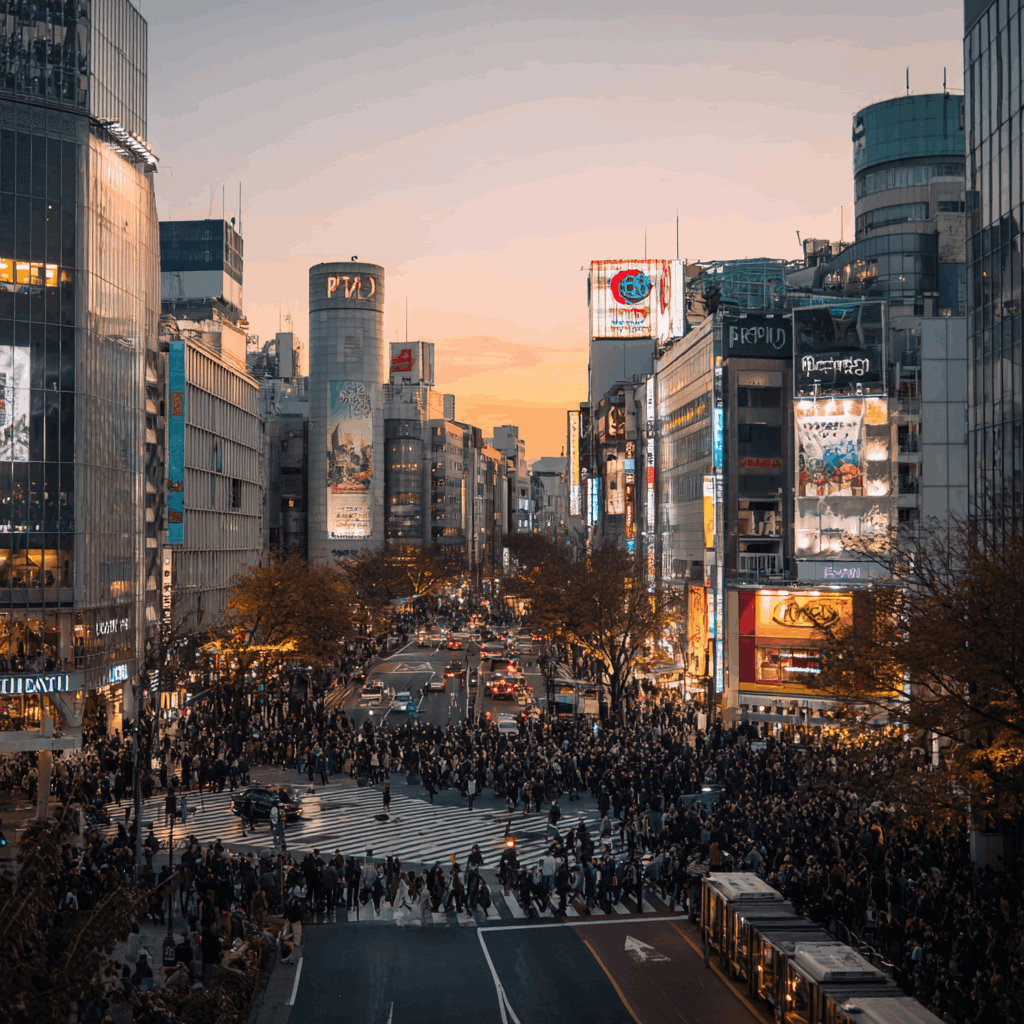
Tokyo's a monster of a city, neon overload one block, quiet temple the next, trains packed but somehow everyone polite. This guide zeros in on staying smart and moving smooth, spotlight Asakusa for that old-school feel, subways to zip around, and tricks to dodge the worst crowds in busy spots.
Discover: Tokyo's Neighborhood Layers
Tokyo shifts vibes quick depending where you drop your bag. Asakusa keeps it traditional, big Senso-ji temple drawing locals for prayers, side streets with wooden shops selling snacks or fans, feels like stepping back but still lively evenings with street eats.
Then Shibuya or Shinjuku blast modern chaos, crossings flooding people, towers full bars and shops. Akihabara geek heaven, Harajuku quirky fashion kids. Quieter spots like Yanaka old houses and cats lounging.
What hits unique? Precision everywhere, food from Michelin stars to convenience store gems that shame most places. Clean streets, vending machines every corner hot or cold drinks. Crowds intense but orderly, seasons change it all, cherry blossoms or autumn leaves make even concrete pretty. It's exhausting exciting, layers you peel slow.
Plan: Focus on Asakusa Base and Day Trips
Base yourself in Asakusa, affordable and central enough without the full madness. Mornings wander temple grounds quiet before tour buses, nakamise street for souvenirs or fresh sembei crackers.
From there, easy jumps: Subway to Ueno park museums and zoos, or Skytree tower across river for city sprawl views. Afternoon Akihabara electric town gadgets, maid cafes if curious. Evenings back Asakusa, riverside walk or izakaya hops.
Day trip ideas: Quick train to Shinjuku high-rise views and gardens, or Harajuku takeshita street crepes and people watching. If longer, Yokohama day for harbor chinatown vibes.
Mix slow mornings in neighborhood with peak afternoon elsewhere. Avoid golden week holidays mega crowds, or cherry season if hate lines. Fall colors quieter alternative.
Move: Subways, Ryokans, and Crowd Hacks
Tokyo subway's a beast but best friend, lines color coded, apps show routes perfect, super punctual. Get reloadable card like Suica or Pasmo, tap in out easy, covers trains buses too. English signs most stations now, announcements bilingual.
Peak hours 7-9am and 5-7pm sardine tight, shoulder season or off-peak better. Women-only cars mornings if needed.
Walking works shorter bits, bikes rent cheap docks everywhere. Taxis pricey but handy late, apps help.
Affordable ryokans in Asakusa: Traditional inns with tatami rooms, futons, shared baths hot soaks relaxing. Many family run, breakfast rice fish miso included sometimes. Look ones near station but side street quieter, like around Senso-ji back alleys, clean basic charm without luxury prices.
Hostels mix dorms privates there too, or business hotels capsule style compact cheap.
Crowd tips central districts: Go early mornings or late evenings Shibuya crossing photos empty-ish. Weekdays better than weekends. Side streets over main drags, rooftop observatories free some buildings skip paid towers lines.
Eat convenience stores quick cheap, or department store basements food halls variety without waits.
Quick bits: Cash still king small spots, though cards more now. Quiet on trains no calls. Trash cans rare carry out. Translation apps lifesavers.
There you have it, Tokyo stay and move focused: Discover the neighborhood shifts, plan Asakusa home base, efficient subways ryokans and dodge crowds smart. Your world in three simple steps, have fun navigating!